
Supporting Posture and Skin Integrity in Seating
The relationship between posture and skin integrity in seating is central to effective pressure injury prevention.
For Occupational Therapists managing prolonged positioning, alignment plays a critical role in how load is distributed across vulnerable tissues.
While pressure redistribution is often approached through support surface selection, posture itself plays a critical role in how forces are transmitted through the body.
In prolonged seating or positioning, even subtle asymmetries in head, trunk, or lower-limb alignment can meaningfully alter pressure distribution and tissue tolerance.
Understanding this relationship is essential when managing individuals at risk of pressure injury.
Supporting Posture and Skin Integrity : An Interdependent Relationship

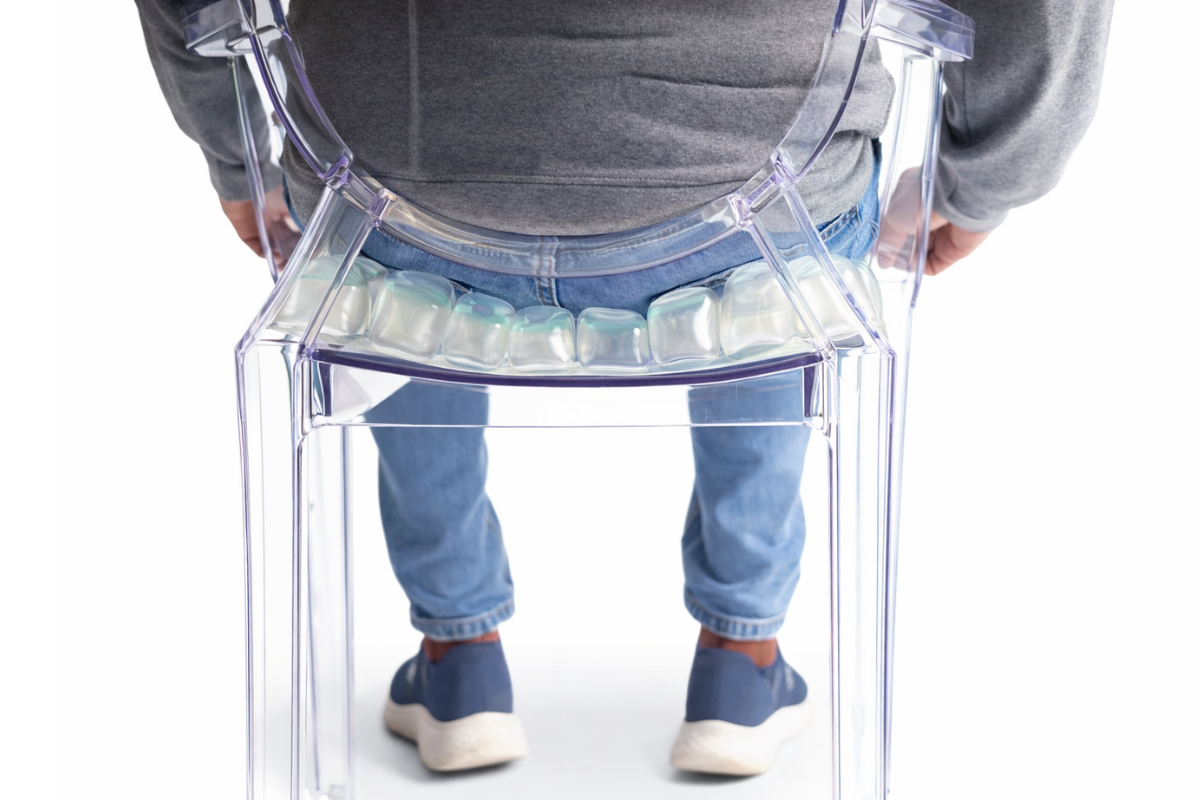
Asymmetrical seating treated by employing AirGel from Gel Ovations
When posture is compromised, pressure redistribution becomes unpredictable.
Examples commonly encountered in practice include:
- Pelvic obliquity or rotation, increasing unilateral loading through the ischial tuberosities
- Forward head posture, altering occipital loading in supported seating
- Inadequate calf support, increasing posterior heel and sacral risk
- Lateral trunk lean, concentrating pressure on one side of the seating surface
In these scenarios, selecting a high-specification cushion alone may not sufficiently address the underlying biomechanical drivers of pressure risk.
Supporting posture is therefore not separate from pressure care — it is a foundational component of it.
The Head and Neck: Often Overlooked Contributors

Okapi support cushion for dropped head condition
Head and neck positioning influence more than comfort or visual orientation. Poor cervical alignment can:
- Alter trunk posture
- Shift weight distribution through the pelvis
- Increase sustained contact at the occiput
- Reduce tolerance to prolonged sitting
Where individuals rely on headrests or require additional support, fine-tuning alignment can significantly influence overall pressure distribution. Small adjustments can have disproportionate effects over time.
Lower-Limb Alignment and Posterior Loading
Lower-limb positioning plays a central role in seated stability and pressure management.
Inadequate posterior calf support may:
- Increase heel loading
- Contribute to sacral sliding
- Create shear forces through posterior thigh tissues
- Reduce seating tolerance
Conversely, appropriate lower-limb support can stabilise the pelvis, improve alignment, and distribute load more evenly across the seating interface.
This is particularly relevant for individuals with reduced active repositioning ability.
Prolonged Positioning: The Cumulative Effect
Pressure injury risk is rarely the result of a single event. It is typically cumulative.
Subtle alignment issues that appear clinically minor may, over hours or days, lead to:
- Increased tissue deformation
- Localised high-pressure zones
- Reduced perfusion tolerance
- Early signs of skin compromise
When repositioning opportunities are limited — such as in long-term seating, neurological conditions, or reduced mobility — the importance of optimised alignment becomes even more pronounced in supporting posture and skin integrity in Seating.
Clinical Implications for Occupational Therapists
RippleGel on an Active Chair
For OTs, this reinforces several practical considerations:
- Assess posture and pressure together — not sequentially
- Revisit alignment when skin integrity concerns arise
- Consider whether instability, asymmetry, or poor lower-limb support may be contributing
- Use adaptable support solutions to fine-tune positioning where needed
Pressure care should not be viewed solely as a surface specification decision. It is an ongoing positioning strategy.
Supporting Alignment Through Adaptable Solutions
Where alignment is contributing to pressure risk, adaptable gel-based supports and adjustable positioning components can allow clinicians to refine posture without introducing rigidity.
For example:
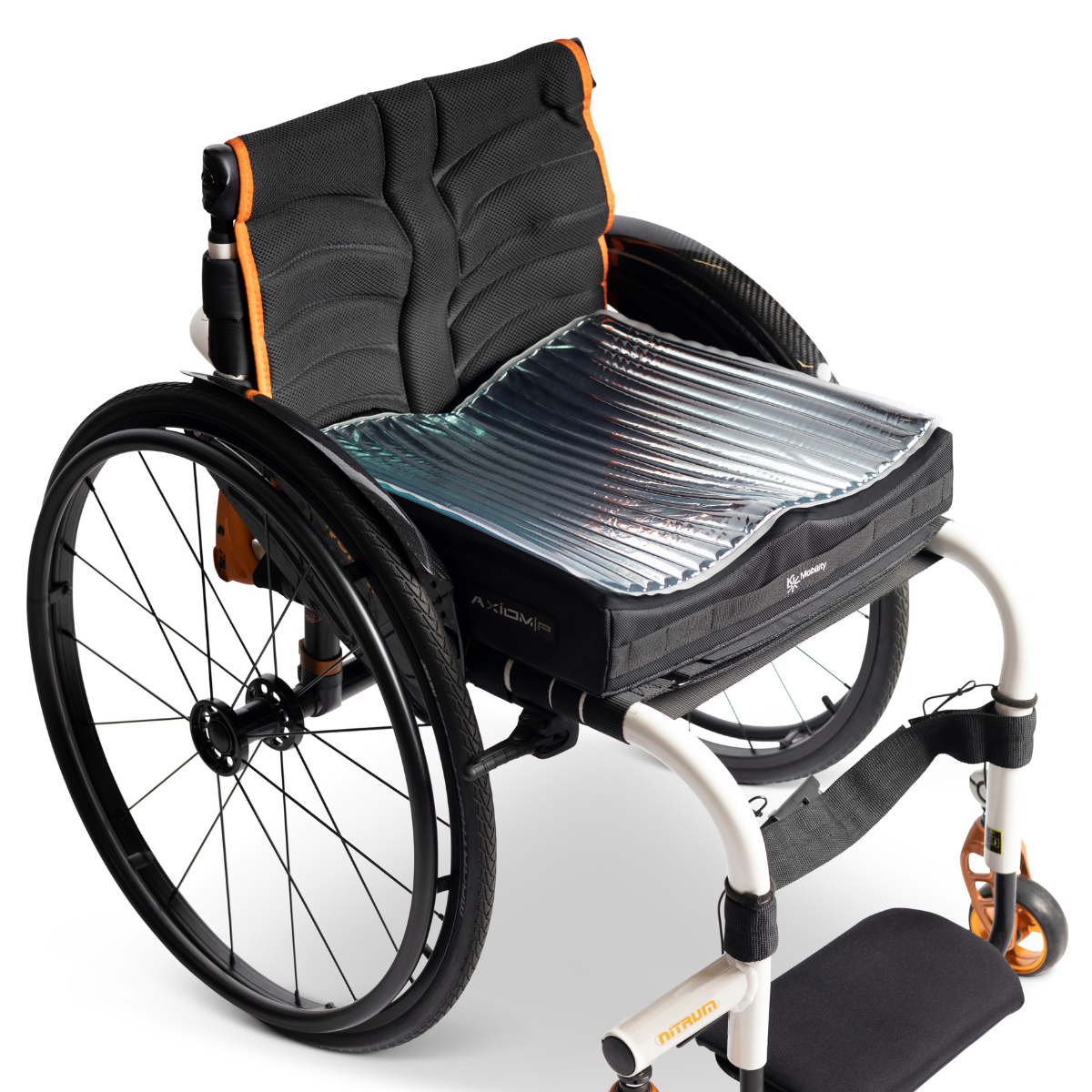
- Adjustable seating cushions that accommodate asymmetry
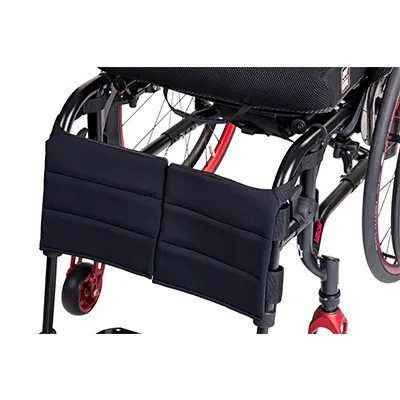
- Gel calf supports that improve posterior lower-limb stability –
- Targeted head and neck supports that optimise alignment
These solutions are most effective when used as part of a broader postural management strategy rather than in isolation.
A Joined-Up Approach to Skin Integrity
Supporting posture is not an aesthetic goal. It is a tissue-protection strategy.
By recognising the relationship between alignment and pressure distribution, Occupational Therapists can intervene earlier, fine-tune seating more effectively, and reduce cumulative risk during prolonged positioning.
In practice, the question is not simply:
“Is this surface appropriate?”
But also:
“Is this posture sustainable?”
When posture is supported, skin integrity is more likely to follow.
- postural alignment and pressure distribution
- pressure injury prevention in seating
- occupational therapy seating assessment
- lower-limb positioning and pressure care
- head and neck alignment in seating
- wheelchair posture and skin integrity
- prolonged seating pressure risk
Frequently Asked Questions
How does posture affect skin integrity in seated patients?
Poor postural alignment can create uneven pressure distribution, increasing localised tissue loading and raising the risk of pressure injury over time.
Why is lower-limb positioning important in pressure care?
Inadequate calf or foot support can increase heel loading, sacral sliding, and shear forces, affecting overall seating stability and tissue tolerance.
Can correcting pelvic asymmetry reduce pressure injury risk?
Addressing pelvic obliquity or rotation can improve load distribution across the seating surface, potentially reducing sustained unilateral pressure.
Is pressure care only about the cushion?
No. Effective pressure injury prevention involves posture, positioning strategy, movement capacity, and appropriate support surfaces working together.


